
Video by The Real Investment Show via YouTube
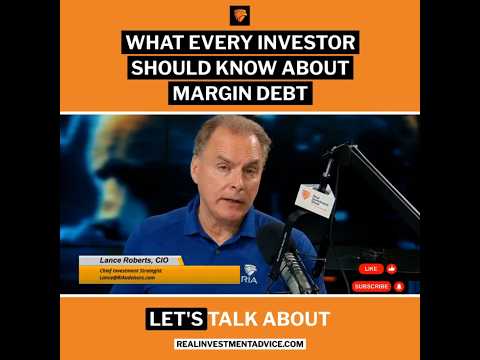
Margin debt often gets portrayed as a warning sign, but it’s not inherently bad. In a rising market, borrowed money gives investors additional buying power, increasing demand for stocks and helping fuel higher prices. As long as asset prices continue climbing, leverage can amplify returns and support the broader bull market.
The risk appears when markets reverse.
Using margin means borrowing against the value of your portfolio. If your holdings decline enough, your broker may issue a margin call, requiring you to either deposit more cash or sell securities to reduce your loan.
Unlike ordinary investing decisions, margin calls are not optional. If you don’t meet the requirement, your broker can liquidate positions on your behalf.
This is why major market declines often accelerate so quickly.
A modest correction usually isn’t enough to trigger widespread margin stress, but as losses deepen, more leveraged investors receive margin calls. Those forced sales push prices lower, triggering even more margin calls across the market.
The result is a self-reinforcing cycle of liquidation that can turn an orderly pullback into a sharp, waterfall decline.
It’s one reason Wall Street says markets take the escalator up and the elevator down. Bull markets build gradually as leverage increases, but bear markets can unfold much faster because selling becomes mandatory rather than voluntary.
Check out our comprehensive "15 Trading Rules" guide ▶️https://realinvestmentadvice.com/resources/blog/15-investing-rules-to-win-the-long-game/
This guide includes practical rules for managing positions, taking profits, controlling risk, and avoiding the emotional mistakes that often hurt returns during major market corrections.
📺Full episode: https://www.youtube.com/watch?v=qz2YPAd-qPI
Catch me daily on The Real Investment Show: https://www.youtube.com/@TheRealInvestmentShow